01
Catch the sun as current
A field keeps under one percent of incident sunlight as food. A commercial panel keeps more than twenty percent as electricity.
Science
From a solar panel to acetate or hydrogen, then to yeast, algae, or Solein. The electro-agriculture path, with the limits New Scientist actually reported.
01
A field keeps under one percent of incident sunlight as food. A commercial panel keeps more than twenty percent as electricity.
02
Electrolysis of water makes hydrogen. Electrolysis of CO₂ makes acetate. Acetate dissolves. Hydrogen barely does.
03
Yeast, algae, or bacteria turn that molecule into protein or fat. Modified plants, via Nolux, may do it without a lamp.
04
Renewable power takes calories off the ledger of land clearing. Fossil power only moves the smoke indoors.
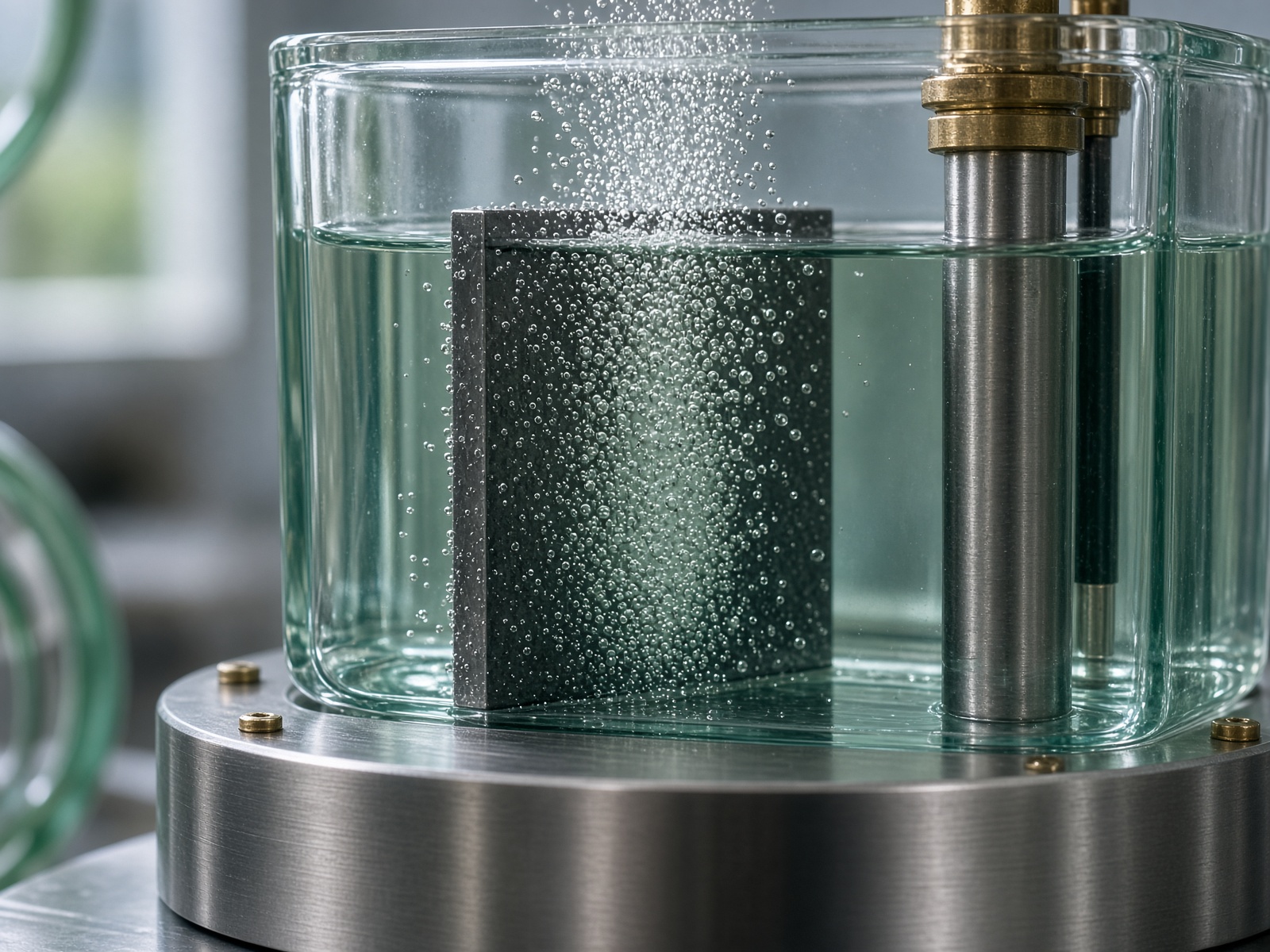
Figure 02
Hydrogen
Split water with renewable electricity. Feed the hydrogen, plus captured CO₂, to bacteria in a tank. Harvest a protein-rich biomass.
Acetate
Electrolyze CO₂ into acetate, a molecule that dissolves easily in water. Yeast, algae, or genetically tuned plants grow on it in the dark.
Methane
Microbes have already been grown on methane for animal feed. The climate case only holds if that gas stops coming from fossils.
Fats
Hydrogen and carbon monoxide can be turned into edible fats — the calories plants are worst at making on purpose.
Cells
Grow the cells that make chocolate, coffee, or oil in a vat, and skip the tree, the season, and the cleared forest.
Source: Michael Le Page, New Scientist, 22 September 2026. Read the original. Then who is building it.